

There’s a particular moment every parent hopes for — the evening your child stops asking you to read to them and starts disappearing into a book on their own. Age 6 to 8 is when that moment usually arrives, if the right books are within reach.
It doesn’t happen with just any book. It happens with the right five.
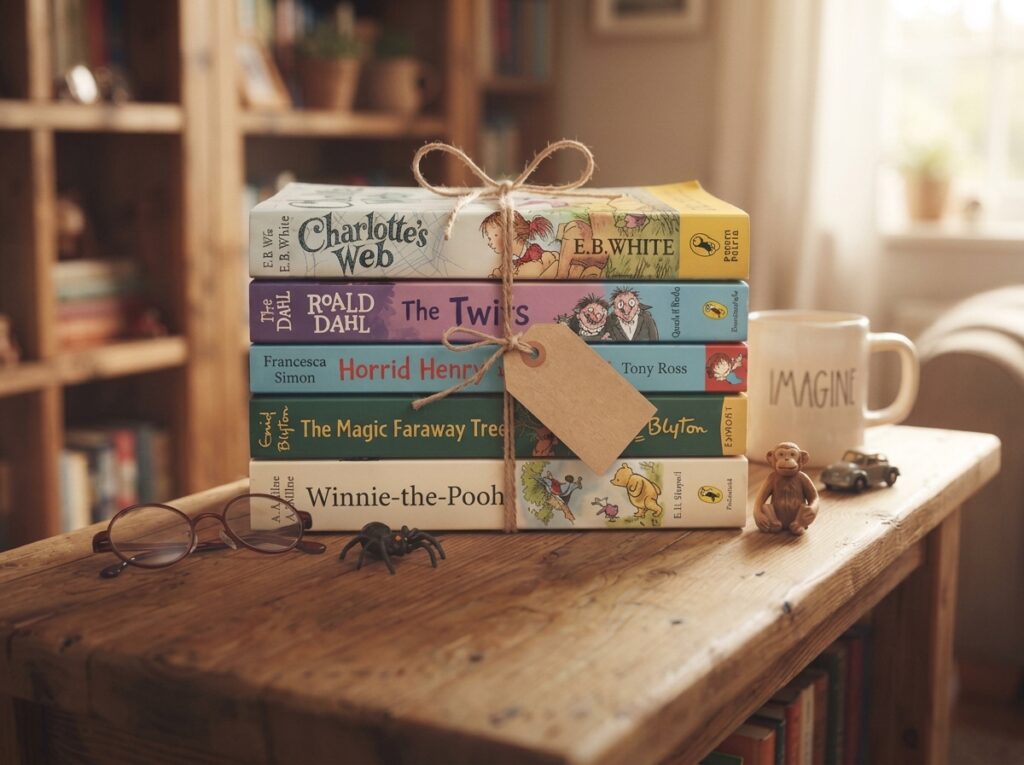
We’ve put together a bundle of five English books for children aged 6–8 — not because they’re popular, but because each one does something different for a young reader, and together they cover the full range of what a child that age needs from a book: warmth, laughter, courage, imagination, and comfort.
Here’s what’s in it, and why it matters.
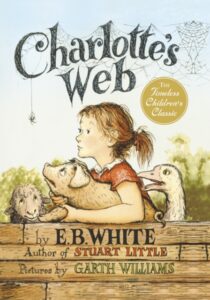
The plot: A pig named Wilbur is saved from the dinner table by a spider named Charlotte, who spins words into her web to convince the farm that he’s special. It’s a story about friendship, mortality, and what it means to save someone.
Why it matters: This is often a child’s first “real” book — their first taste of a story with actual emotional weight, not just jokes and adventure. Charlotte’s Web teaches without lecturing. Children finish it a little more thoughtful than they started, and often, a little more capable of talking about hard feelings like loss and loyalty. It’s usually the book parents remember crying over as children themselves.
The quality it adds: Emotional depth. Empathy.
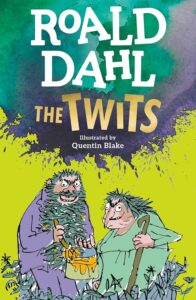 2. The Twits — Roald Dahl
The plot: Two thoroughly disgusting, thoroughly horrible old people play cruel pranks on each other — until a family of monkeys and birds decide they’ve had enough.
Why it matters: Every child needs a book that makes them laugh out loud, alone, on a page with no adult around to explain the joke. Dahl never talks down to children — he trusts them to enjoy the grotesque, the silly, the slightly rebellious. The Twits is often the book that convinces a reluctant reader that books can be fun, not homework.
The quality it adds: Joy. Permission to find things funny without an adult’s approval.
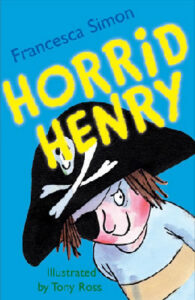
The plot: Henry is horrid. His younger brother, Peter, is perfect. Across short, punchy chapters, Henry schemes, misbehaves, and usually gets exactly what’s coming to him.
Why it matters: For a child who finds long books intimidating, Horrid Henry is the perfect bridge — short chapters, big illustrations, instantly gripping plots. Henry is also, quietly, a mirror: most six-to-eight-year-olds have felt like the “horrid” one next to a sibling or classmate who seems effortlessly good. Seeing that feeling turned into comedy is its own kind of relief.
The quality it adds: Reading confidence. Recognition — the feeling of “that’s me” in a book.
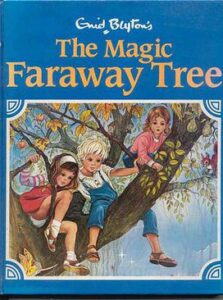 4. The Magic Faraway Tree — Enid Blyton
The plot: Three children discover an enormous tree at the edge of an enchanted wood — and at the top, a rotating cast of magical lands: the Land of Birthdays, the Land of Toys, sometimes even the Land of Take-What-You-Want. Climb up, and you never know what world you’ll find.
Why it matters: This book has sat on South Asian bookshelves for generations, and it earns its place every time. It’s pure imagination — no lesson, no moral, just the thrilling idea that adventure might be one tree-climb away. For children who’ve grown up mostly on screens, it’s often the book that reintroduces the pleasure of picturing a whole world in their own head.
The quality it adds: Imagination. The habit of picturing, not just watching.
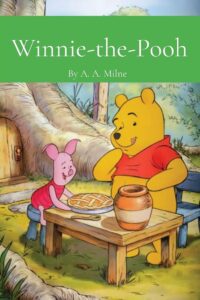
The plot: A boy and his stuffed bear wander through the Hundred Acre Wood with their friends — worrying about nothing much, and everything that matters to a child.
Why it matters: Pooh is gentle in a way modern children’s books rarely are anymore. Nothing is rushed. No one is in danger. It’s simply kind, funny, and quietly wise — the kind of book that’s as good read aloud at bedtime as it is read alone on a quiet afternoon. Many parents find it becomes a shared language in the house, a thing to quote for years afterward.
The quality it adds: Comfort. A slower, softer kind of reading.
Five books, five different things asked of a young reader: feel deeply, laugh freely, recognise yourself, imagine wildly, and simply rest in a story. No single book gives a child all of that. A bundle does.
Put together, over a few months, these five books can do something bigger than entertain — they can quietly convince a child that reading isn’t a task to get through. It’s a place to go.
That’s the real return on a book bundle at this age. Not five books read. A reader, made.
You could prepare your own bundle and just give us a call @ Lanka Books Online — affordable, imported, and ready to ship island-wide.